Daisy Flower P Pattern: A Versatile Design for Creative Projects
The Daisy Flower P Pattern is a design asset that offers a unique blend of simplicity and versatility, making it an appealing choice for designers, entrepreneurs, and creators across various industries. This pattern is particularly notable for its clean aesthetic and adaptability, allowing users to integrate it into a wide range of products and projects. Whether you're crafting custom merchandise or designing digital assets, the Daisy Flower P Pattern provides a foundation that can be tailored to suit different needs and applications.
Understanding the Daisy Flower P Pattern
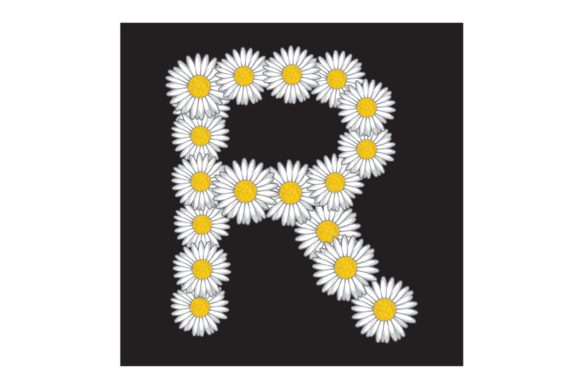
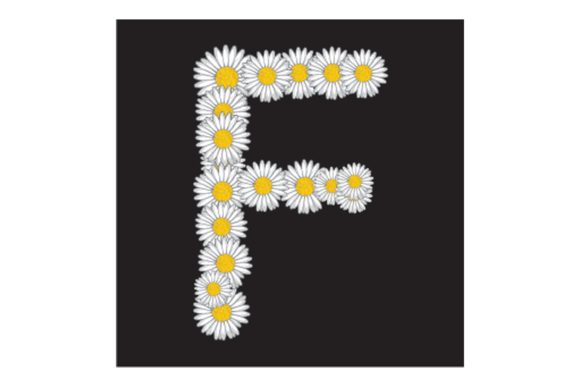
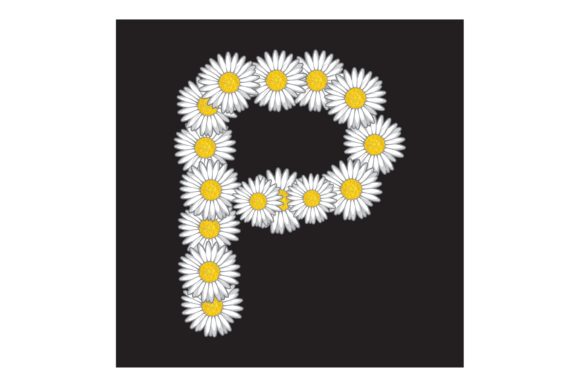
The Daisy Flower P Pattern is a vector-based design, typically formatted as an EPS file. This format is widely supported by design software such as Adobe Illustrator CC, Adobe Suite, Inkscape, and Corel Draw, ensuring broad compatibility with industry-standard tools. The pattern features a daisy flower motif, stylized with a geometric or simplified approach, which lends itself well to both minimalist and intricate designs.
What sets this pattern apart is its scalability and resolution independence. As an EPS file, it maintains clarity at any size, making it ideal for use in print and digital media. The pattern's structure is also modular, allowing users to extract specific elements or adjust the layout without compromising the overall design integrity.
Key Characteristics and Practical Value
The Daisy Flower P Pattern is designed with usability in mind. Its clean lines and consistent geometry make it easy to work with, even for those who are new to vector design. The pattern’s structure allows for seamless integration into larger compositions, whether used as a standalone element or as part of a more complex design.
One of the most significant advantages of this pattern is its flexibility. It can be customized to fit different color schemes, textures, and backgrounds, enabling users to create a wide variety of visual outcomes. This adaptability makes it suitable for a broad spectrum of creative applications, from branding materials to product packaging.
Additionally, the pattern's modular nature means that users can modify individual components without affecting the rest of the design. This level of control is particularly valuable for designers who need to meet specific project requirements or client preferences.
Real-World Applications and Use Cases
The Daisy Flower P Pattern is well-suited for a variety of real-world applications. For instance, it can be used to create custom apparel such as shirts and t-shirts, where the pattern can be printed in full color or as a subtle background. It is also effective for wood signs, mugs, tumblers, and other promotional items, where the design can be scaled and adapted to fit the product's dimensions.
In the realm of digital design, the pattern can serve as a background element for websites, social media graphics, or digital marketing materials. Its clean aesthetic complements modern design trends, making it a versatile tool for content creators and marketers looking to enhance their visual storytelling.
For small business owners and entrepreneurs, the Daisy Flower P Pattern offers a cost-effective solution for developing branded merchandise. By using this pattern, they can create a cohesive visual identity across multiple product lines, helping to reinforce brand recognition and customer engagement.
Quality and Usability Considerations
When evaluating the quality of the Daisy Flower P Pattern, it's important to consider both the design itself and the technical specifications of the file. The pattern is generally well-structured, with clear outlines and defined shapes that are easy to edit. However, the quality may vary depending on the source of the file, so it's essential to ensure that the file is professionally created and free from errors or inconsistencies.
Usability is another critical factor. The pattern should be intuitive to work with, allowing users to quickly make adjustments or modifications. If the file is overly complex or difficult to navigate, it may limit the user's ability to fully leverage its potential. Fortunately, the Daisy Flower P Pattern is designed with simplicity in mind, making it accessible to both beginners and experienced designers.
Who Benefits Most from the Daisy Flower P Pattern?
The Daisy Flower P Pattern is particularly beneficial for individuals and businesses that require scalable, high-quality design assets. This includes freelancers, independent designers, and small business owners who are looking to expand their creative offerings without investing in extensive design resources.
Professionals in the fields of graphic design, branding, and marketing will find the pattern especially useful for creating visual content that aligns with their clients' needs. Educators and hobbyists may also appreciate the pattern for its educational value and creative potential, allowing them to experiment with design techniques and explore new artistic directions.
Ultimately, the Daisy Flower P Pattern is a valuable resource for anyone who values versatility, quality, and ease of use in their design workflow. Its ability to adapt to different projects and formats ensures that it remains a relevant and practical tool for a wide range of applications.
Recommendations and Limitations
While the Daisy Flower P Pattern offers numerous benefits, it's important to consider its limitations. One potential drawback is that the pattern may not be suitable for highly detailed or complex designs. Its simplicity, while advantageous in many cases, could limit its effectiveness in scenarios requiring intricate detailing or advanced customization.
Additionally, the pattern's effectiveness depends on the user's skill level and familiarity with design software. While it is relatively straightforward to use, some users may require additional training or support to fully utilize its capabilities. Therefore, it's recommended that users have a basic understanding of vector design principles before working with this pattern.
Despite these considerations, the Daisy Flower P Pattern remains a strong option for those seeking a reliable and adaptable design asset. Its combination of quality, usability, and versatility makes it a valuable addition to any designer's toolkit.