Understanding Brexit and Its Impact on Business Operations
The Brexit - Hand Shake agreement marked a pivotal moment in the history of the United Kingdom's relationship with the European Union. This decision, which was formally enacted on January 31, 2020, has had far-reaching consequences for businesses across various sectors. From supply chain logistics to market access, the implications of Brexit have reshaped the way companies operate within and outside the EU.
The Nature of the Brexit - Hand Shake Agreement
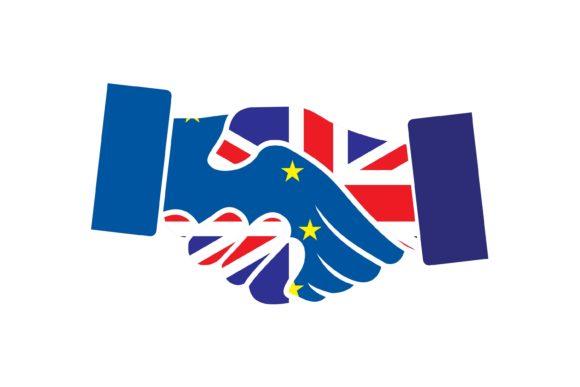
The Brexit - Hand Shake agreement was a symbolic gesture that signified the UK's intent to leave the EU. While not a legally binding document, it served as a commitment from both parties to negotiate a smooth transition. The handshake itself became an iconic image, representing the start of a new chapter in international relations. However, the actual negotiations that followed were complex and involved numerous discussions on trade, immigration, and regulatory alignment.
For many businesses, the uncertainty surrounding the Brexit process created challenges. Companies had to adapt their strategies to navigate the new landscape. Some opted to relocate operations to the EU to maintain access to key markets, while others focused on strengthening domestic supply chains. The Brexit - Hand Shake agreement laid the groundwork for these changes, but the full impact became evident only after the official departure date.
Impact on Trade and Supply Chains
One of the most immediate effects of Brexit was on trade. The UK's exit from the EU led to the introduction of new customs procedures, tariffs, and regulatory requirements. Businesses that previously operated under a single market framework now faced additional costs and delays. For example, companies exporting goods to the EU had to comply with new documentation rules and potential import duties.
Supply chains also experienced significant disruptions. Many businesses relied on just-in-time inventory systems, which were heavily impacted by the increased bureaucracy at borders. Companies had to invest in new technologies and processes to manage these changes effectively. Some even restructured their operations to minimize exposure to these risks.
In response to these challenges, some businesses sought to diversify their markets. By expanding into other regions such as Asia or the Americas, companies could reduce their dependence on the EU. This shift in strategy highlighted the importance of flexibility and adaptability in the face of geopolitical changes.
Regulatory Changes and Compliance
Another major consequence of Brexit was the divergence in regulatory standards between the UK and the EU. Previously, businesses operating in both regions benefited from harmonized regulations, which simplified compliance. Post-Brexit, companies now have to navigate two different regulatory frameworks, leading to increased administrative burdens.
For industries such as food and pharmaceuticals, this meant adhering to separate sets of safety and quality standards. Businesses had to invest in training and resources to ensure compliance with both sets of regulations. In some cases, this led to the need for dual certification processes, further complicating operations.
Despite these challenges, some businesses saw opportunities in the new regulatory environment. For instance, the UK government introduced new regulations that allowed for greater autonomy in certain areas, such as financial services. This provided a platform for innovation and competition, particularly in sectors where the UK had a strong historical presence.
Employment and Labor Market Dynamics
Brexit also affected labor markets. The free movement of people within the EU was replaced by a points-based immigration system, which aimed to attract skilled workers while controlling overall migration levels. This change had implications for businesses reliant on EU labor, particularly in sectors such as agriculture, hospitality, and construction.
Many companies faced difficulties in recruiting sufficient staff due to the new restrictions. To mitigate this, some businesses invested in automation and technology to reduce reliance on manual labor. Others sought to recruit from non-EU countries, which required additional efforts in visa applications and workforce planning.
Additionally, the Brexit - Hand Shake agreement influenced the perception of the UK as a business destination. While some companies viewed the UK as a stable and innovative market, others were hesitant due to the uncertainties associated with the transition period. This led to a mixed response in terms of investment and expansion plans.
Opportunities and Future Outlook
Despite the challenges, Brexit has also presented new opportunities for businesses. The UK has the potential to forge closer trade relationships with countries outside the EU, such as the United States and Australia. These partnerships could lead to new markets and export opportunities, particularly in sectors where the UK has a competitive advantage.
Furthermore, the Brexit - Hand Shake agreement has encouraged a focus on self-sufficiency and resilience. Businesses are now more likely to invest in local supply chains and infrastructure, which can enhance long-term sustainability. This shift has also prompted a greater emphasis on digital transformation and data security, as companies seek to protect their operations in an increasingly uncertain global environment.
Looking ahead, the full impact of Brexit will continue to unfold over time. As the UK and EU work to finalize trade agreements and regulatory frameworks, businesses must remain agile and responsive to changing conditions. The ability to adapt and innovate will be key to thriving in this evolving landscape.