Check Marks: A Versatile Tool for Design and Production
Check Marks is a file format that has gained popularity in the design and production industries, particularly among creators who work with vector graphics. While it may not be as widely known as other formats like PNG or JPEG, its unique features make it a valuable asset for certain projects. This article explores what Check Marks is, why someone might consider using it, and how it compares to other file types in terms of benefits, trade-offs, and practical applications.
What Is Check Marks?
Check Marks refers to a specific type of file format used primarily in graphic design and print production. These files are typically created using vector-based software such as Adobe Illustrator, Inkscape, or Corel Draw. Unlike raster images, which are made up of pixels, vector files use mathematical equations to define shapes, lines, and curves. This allows for scalable, high-quality output without loss of clarity, making them ideal for a wide range of creative projects.
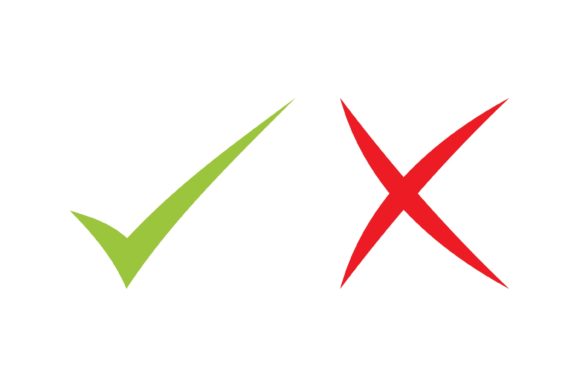
The term "Check Marks" can also refer to the visual representation of these files—often appearing as small, tick-like symbols used to indicate completion or selection in digital interfaces. However, in the context of file formats, it's more commonly associated with the EPS (Encapsulated PostScript) format, which is often used alongside or in place of Check Marks files depending on the software and project requirements.
Why Would Someone Be Interested in Check Marks?
There are several reasons why designers, artists, and small business owners might find Check Marks useful. One of the primary advantages is scalability. Since these files are vector-based, they can be resized without any degradation in quality. This makes them perfect for use in a variety of mediums, from digital designs to physical products like shirts, mugs, and wood signs.
Another key benefit is versatility. Check Marks files can be used across multiple platforms and software applications, including Adobe Illustrator CC, Adobe Suite, Inkscape, Corel Draw, and others. This compatibility ensures that users can seamlessly integrate their designs into different workflows, whether they're working on personal projects or collaborating with others.
Additionally, Check Marks files are often preferred for print production due to their ability to maintain sharp edges and clean lines, even when printed at large sizes. This makes them an excellent choice for businesses looking to create high-quality merchandise or promotional materials.
Benefits and Trade-Offs
One of the main advantages of using Check Marks is the flexibility it offers. Because these files are vector-based, they can be edited easily, allowing for quick adjustments to colors, shapes, and layouts. This is especially beneficial for designers who need to iterate on their work frequently.
However, there are some limitations to consider. For instance, Check Marks files may not be suitable for complex image editing tasks that require pixel-level manipulation. They are also not ideal for use in web-based applications where raster images are more commonly used.
Another consideration is file size. While vector files tend to be smaller than high-resolution raster images, they can sometimes become large if they contain intricate details or numerous layers. This may affect performance when working with large-scale projects or when exporting to certain formats.
Situations Where Check Marks May Be a Strong Fit
Check Marks files are particularly well-suited for projects that require scalability, precision, and adaptability. This includes:
- Custom merchandise such as shirts, mugs, and tumblers
- Wood signs and decorative items
- Business cards and stationery
- Party decor and event materials
- Logo design and branding elements
In these scenarios, the ability to resize and edit vector graphics without compromising quality is invaluable. Whether you're creating personalized gifts or designing marketing materials, Check Marks provides a reliable foundation for your creative work.
When Alternatives May Be Worth Considering
While Check Marks is a powerful tool, there are situations where alternative file formats may be more appropriate. For example, if you're working on a project that involves detailed photo editing or requires transparency support, raster formats like PNG or JPEG might be a better fit.
Additionally, if your workflow is heavily dependent on web-based tools or platforms that do not support vector files, you may want to explore other options. It’s important to evaluate your specific needs and choose a format that aligns with your goals and technical capabilities.
Practical Decision-Making Insights
When deciding whether to use Check Marks, it's essential to consider your project's requirements, the tools you have available, and the intended use of the final product. If you're looking for a format that offers scalability, precision, and cross-platform compatibility, Check Marks is an excellent choice.
On the other hand, if your project involves complex image manipulation or requires broad compatibility with web technologies, you may want to explore other formats. Ultimately, the best approach is to test different formats and see which one works best for your specific needs.
By understanding the strengths and limitations of Check Marks, you can make informed decisions that help you achieve your creative and business objectives effectively.