Retro Teapot: A Timeless Design for Modern Creators
The Retro Teapot has emerged as a unique and enduring design element in the world of graphic design and handmade crafts. Its charm lies in its ability to evoke nostalgia while remaining adaptable to modern creative needs. Whether you're a designer, small business owner, or hobbyist, understanding what makes the Retro Teapot distinct can help you decide if it's the right choice for your projects.
What Makes the Retro Teapot Unique?
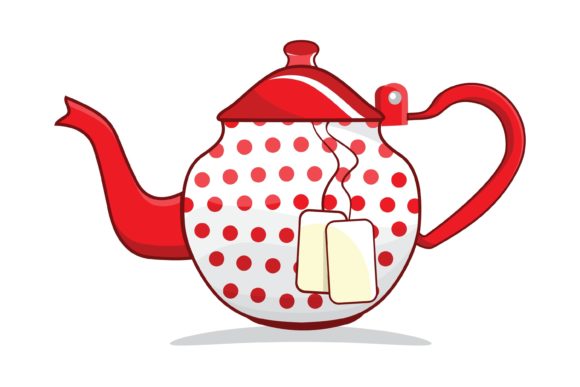
The Retro Teapot is more than just a vintage-inspired image—it represents a style that blends classic aesthetics with contemporary functionality. It typically features bold outlines, muted color palettes, and stylized elements that harken back to mid-20th-century design trends. These characteristics make it highly versatile, allowing it to fit seamlessly into a wide range of applications.
One of the key strengths of the Retro Teapot is its visual simplicity. Unlike intricate or overly detailed designs, it maintains a clean and approachable look that appeals to a broad audience. This simplicity also translates well into scalability, making it ideal for use across different mediums and sizes.
Another distinguishing feature is its adaptability. The Retro Teapot can be customized to suit various themes, from rustic and farmhouse to industrial and minimalist. This flexibility allows creators to maintain brand consistency while still offering a diverse product line.
Comparing the Retro Teapot with Similar Options
When evaluating the Retro Teapot, it’s important to consider how it stacks up against other design styles and formats. For instance, compared to more modern designs like flat vector illustrations or abstract patterns, the Retro Teapot offers a tactile and nostalgic appeal that resonates with many consumers.
While some may argue that retro designs are outdated, the truth is that they continue to gain popularity due to their emotional connection with audiences. Many designers and businesses are revisiting vintage aesthetics not just for nostalgia, but because they offer a fresh contrast to the often sterile look of digital minimalism.
In terms of file formats, the Retro Teapot is commonly available in scalable vector graphics (SVG) and EPS formats. These files are particularly useful for print and digital use, ensuring high-quality output regardless of the medium. When compared to raster formats like PNG or JPEG, vector files offer greater flexibility in resizing and editing without loss of quality.
EPS Files: The Perfect Choice for Creative Projects
EPS (Encapsulated PostScript) files are a preferred format for designers working with vector graphics. They allow for precise scaling and maintain clarity at any size, making them ideal for both print and digital applications. Whether you're creating custom merchandise or branding materials, EPS files provide a reliable foundation for your designs.
For those using Adobe Illustrator CC or other professional design software, EPS files are compatible with a wide range of tools, including Inkscape and Corel Draw. This compatibility ensures that the Retro Teapot design remains accessible to a broad audience of creators, regardless of their preferred software.
One of the greatest advantages of EPS files is their versatility. They can be easily integrated into various projects, such as shirts, wood signs, mugs, tumblers, cards, and party decor. This adaptability makes the Retro Teapot an excellent choice for anyone looking to expand their product offerings or create personalized items for personal or commercial use.
Realistic Examples and Use Cases
To better understand the practical applications of the Retro Teapot, let’s explore a few real-world examples. Imagine a small business owner selling handcrafted mugs. By incorporating a Retro Teapot design into their product line, they can tap into a niche market that values both aesthetics and craftsmanship.
Another example is a graphic designer working on a series of wood signs for a boutique store. Using the Retro Teapot as a central motif allows them to create a cohesive and visually appealing collection that aligns with the store’s overall theme.
For those interested in DIY projects, the Retro Teapot design can be used to personalize items like party decorations or custom cards. Its timeless appeal ensures that these creations remain relevant and stylish for years to come.
Strengths, Tradeoffs, and Best-Fit Situations
The Retro Teapot has several strengths that make it a compelling choice for many creators. Its nostalgic appeal, adaptability, and high-quality file formats are just a few of the reasons why it continues to be popular. However, it’s also important to consider potential tradeoffs.
One limitation of the Retro Teapot is its reliance on a specific aesthetic. While this can be an advantage in certain contexts, it may not be suitable for all brands or audiences. For example, a tech startup might find the Retro Teapot less appropriate for its branding than a lifestyle or home goods company.
Additionally, while EPS files are highly versatile, they require a certain level of technical expertise to work with effectively. Beginners may need to invest time in learning how to edit and customize vector files, which could be a barrier for some users.
Despite these considerations, the Retro Teapot remains a strong option for those who value design integrity and creative freedom. It’s best suited for projects that prioritize visual storytelling and emotional resonance over cutting-edge trends.
When to Choose the Retro Teapot and When to Consider Alternatives
The decision to use the Retro Teapot depends largely on your project goals and target audience. If you’re looking to create a product line that evokes warmth, nostalgia, and craftsmanship, then the Retro Teapot is likely the right choice.
However, if your focus is on innovation, minimalism, or a more contemporary aesthetic, you may want to explore other design options. Modern vector illustrations, geometric patterns, or abstract art could offer a fresh alternative that better aligns with your brand identity.
It’s also worth considering the intended use of your design. For large-scale printing or high-resolution digital use, EPS files are an excellent choice. But if you need a format that works well with web-based platforms or mobile apps, you might prefer SVG or PNG files instead.
Conclusion
The Retro Teapot stands out as a design that bridges the past and present, offering both aesthetic appeal and functional versatility. Its adaptability, combined with the reliability of EPS file formats, makes it a valuable resource for creators across various industries.
Whether you're designing for personal use or expanding your handmade business, the Retro Teapot provides a timeless and customizable solution. By understanding its strengths, limitations, and best-fit situations, you can make an informed decision about whether it’s the right choice for your next project.