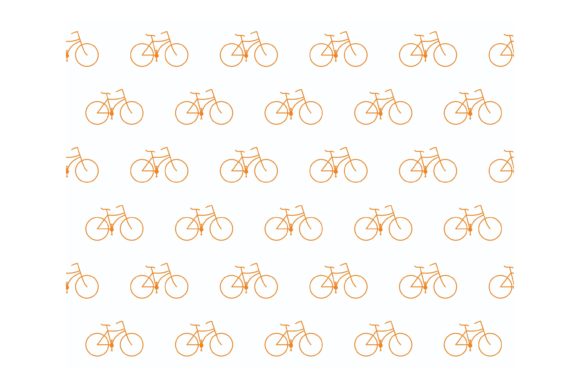
Retro Bike Pattern: A Timeless Design for Modern Creators
When it comes to design elements that blend nostalgia with functionality, the Retro Bike Pattern stands out as a versatile and enduring choice. Whether you're a graphic designer, a small business owner, or an independent creator, this pattern offers a unique way to infuse your projects with character and charm. The Retro Bike Pattern is not just a visual motif—it's a storytelling tool that can elevate everything from clothing to home decor.
What Is the Retro Bike Pattern?
The Retro Bike Pattern draws inspiration from the classic bicycles of the 1950s and 1960s, capturing the essence of a bygone era. It features bold lines, vintage typography, and iconic imagery such as handlebars, wheels, and chain details. This design is often rendered in muted tones like sepia, brown, and black, giving it a nostalgic feel that resonates with many.
One of the key strengths of the Retro Bike Pattern is its adaptability. Unlike more modern, minimalist designs, this pattern has a rich history and cultural significance that makes it appealing across a wide range of audiences. It’s not just about aesthetics; it's about evoking memories and emotions tied to the golden age of cycling.
Why Use the Retro Bike Pattern?
There are several reasons why the Retro Bike Pattern is a valuable asset for creators and businesses alike:
- Cultural Resonance: The pattern taps into a shared memory, making it relatable and emotionally engaging.
- Visual Distinction: In a world of fast fashion and digital content, the Retro Bike Pattern offers a refreshing alternative that stands out.
- Applicability Across Media: From print to digital, the Retro Bike Pattern can be adapted to suit various formats and platforms.
- Timelessness: Because it's rooted in a historical context, the pattern remains relevant and continues to find new uses over time.
Whether you're designing a logo, creating custom merchandise, or developing branding materials, the Retro Bike Pattern can add depth and personality to your work.
Where Can You Use the Retro Bike Pattern?
The Retro Bike Pattern is incredibly versatile and can be applied to a wide array of products and services. Here are some popular applications:
- Clothing: T-shirts, hoodies, and denim jackets featuring the Retro Bike Pattern can appeal to both vintage enthusiasts and younger generations looking for retro-inspired fashion.
- Home Decor: Throw pillows, wall art, and tablecloths with the Retro Bike Pattern bring a touch of nostalgia to any living space.
- Stationery: Cards, notebooks, and planners with the Retro Bike Pattern offer a stylish and functional addition to everyday life.
- Marketing Materials: Business cards, brochures, and social media graphics using the Retro Bike Pattern can help create a cohesive brand identity.
- Custom Merchandise: Mugs, tumblers, and wooden signs with the Retro Bike Pattern make for great gifts or promotional items.
These examples demonstrate how the Retro Bike Pattern can be integrated into different aspects of daily life, offering both aesthetic value and practical utility.
Getting Started with the Retro Bike Pattern
If you're new to working with the Retro Bike Pattern, here are some steps to help you get started:
- Choose the Right Format: The Retro Bike Pattern is often available in vector formats such as EPS files, which are ideal for use in Adobe Illustrator, Inkscape, Corel Draw, and other design software.
- Explore Software Compatibility: Ensure your chosen design software supports the file type you're working with. Most professional design tools are compatible with EPS files.
- Customize as Needed: While the Retro Bike Pattern has a distinct look, you can adjust colors, sizes, and placements to fit your specific project requirements.
- Test on Different Surfaces: Before mass production, test the pattern on various materials to ensure it looks great and maintains quality.
- Consider Licensing: If you plan to sell products featuring the Retro Bike Pattern, verify the licensing terms to avoid any legal issues.
By following these steps, you can confidently incorporate the Retro Bike Pattern into your creative workflow and expand your product offerings.
Strengths and Limitations of the Retro Bike Pattern
Like any design element, the Retro Bike Pattern has its strengths and limitations. Understanding these can help you determine whether it's the right choice for your project:
Strengths
- Emotional Connection: The pattern evokes a sense of nostalgia and familiarity, which can be powerful in marketing and branding.
- High Customization: It can be easily modified to suit different color schemes, sizes, and layouts.
- Wide Appeal: Its timeless design appeals to a broad audience, making it suitable for both niche and mainstream markets.
- Strong Visual Identity: The pattern helps establish a unique and memorable brand image.
Limitations
- Design Constraints: Due to its fixed structure, the Retro Bike Pattern may not be as flexible as more abstract or modern designs.
- Perceived Obsolescence: Some viewers may associate the pattern with outdated trends, which could limit its appeal in certain contexts.
- Printing Challenges: Depending on the material and printing method, the pattern may require careful preparation to maintain clarity and vibrancy.
Despite these limitations, the Retro Bike Pattern remains a compelling option for those looking to add a touch of vintage flair to their creations.
Real-World Applications of the Retro Bike Pattern
To better understand how the Retro Bike Pattern can be used in practice, let's explore a few real-world scenarios:
Example 1: Custom Apparel Line
A small clothing brand might use the Retro Bike Pattern on t-shirts and hoodies to create a line that appeals to both vintage lovers and younger consumers. By pairing the pattern with modern cuts and fabrics, the brand can achieve a balance between old and new.
Example 2: Home Décor Collection
A home goods company could feature the Retro Bike Pattern on throw pillows, wall art, and decorative plates. These items would serve as conversation starters and add character to any interior space.
Example 3: Branding for a Vintage Bike Shop
A local bike shop might use the Retro Bike Pattern in its signage, packaging, and website design to reinforce its connection to the past while promoting eco-friendly and sustainable cycling options.
Each of these examples highlights how the Retro Bike Pattern can be tailored to meet specific needs and enhance the overall experience of a product or service.
Evaluating Suitability for Your Project
Before incorporating the Retro Bike Pattern into your project, consider the following factors:
- Target Audience: Does your audience appreciate vintage aesthetics or prefer more contemporary designs?
- Project Purpose: Are you creating a product for personal use, commercial sale, or brand promotion?
- Material Compatibility: Will the pattern work well on the intended surface, such as fabric, wood, or paper?
- Design Flexibility: How much customization do you need, and is the pattern adaptable to your vision?
- Legal Considerations: Are there any licensing or copyright concerns associated with using the pattern?
By carefully evaluating these aspects, you can make an informed decision about whether the Retro Bike Pattern is the right fit for your project.
Conclusion
The Retro Bike Pattern is more than just a design—it's a bridge between past and present. With its rich history, adaptability, and emotional resonance, it offers a unique opportunity to create meaningful and visually striking projects. Whether you're a hobbyist, a small business owner, or a professional designer, the Retro Bike Pattern can be a valuable addition to your creative toolkit.
By understanding its strengths, limitations, and potential applications, you can confidently integrate the Retro Bike Pattern into your work and bring a touch of nostalgia to your designs. So, what will you create with this timeless motif?